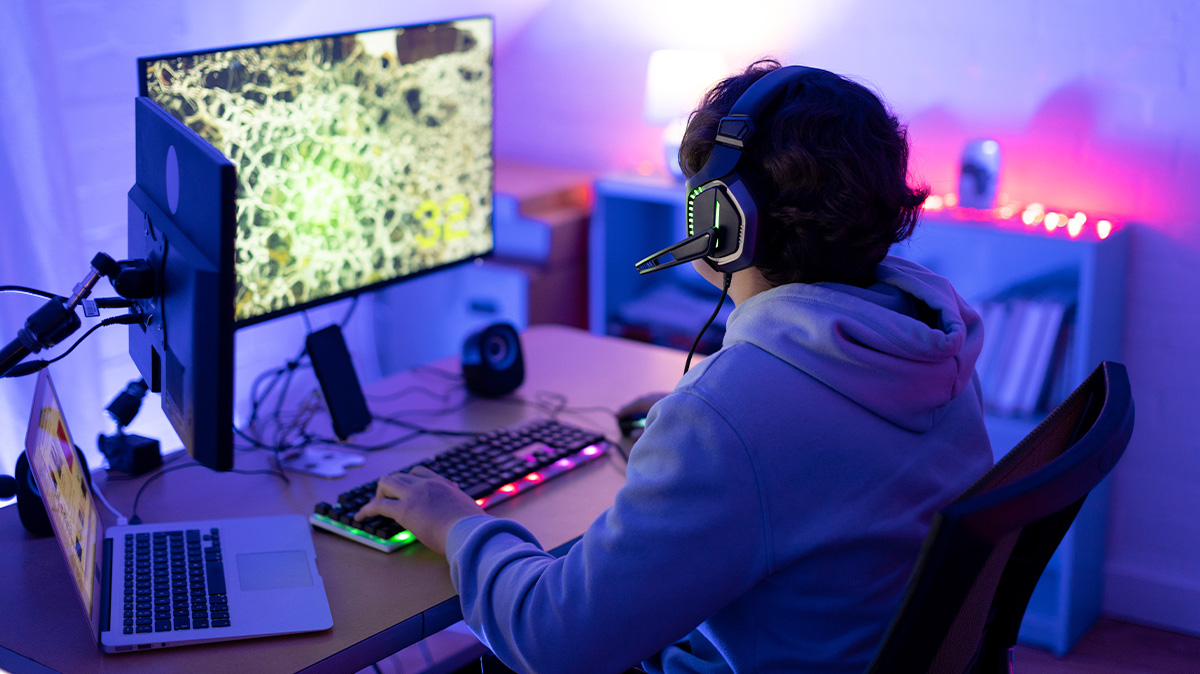
The Science Behind Sleep Deprivation: How Gaming Affects Your ZZZs
The relationship between gaming and sleep deprivation is a growing concern among players and health experts alike. Sleep deprivation occurs when an individual does not get enough sleep, and it can lead to a myriad of issues, from cognitive decline to impaired physical health. Research indicates that engaging in prolonged gaming sessions, especially those that occur late into the night, can significantly disrupt circadian rhythms. Furthermore, the blue light emitted from screens can inhibit the production of melatonin, the hormone responsible for regulating sleep, creating a vicious cycle of sleeplessness for avid gamers.
Moreover, the nature of many games, particularly ones that are immersive or competitive, can contribute to heightened arousal and stress levels. According to a study published in the journal Sleep Health, players involved in high-stakes or suspenseful gaming tend to experience increased heart rates and heightened alertness, making it difficult to unwind and prepare for sleep. To combat sleep deprivation, it's crucial for gamers to establish a healthy gaming schedule, including limiting gameplay hours before bedtime and creating a relaxing nighttime routine to promote better sleep hygiene.
Counter-Strike is a highly popular tactical first-person shooter game that emphasizes teamwork and strategy. Players can choose to be part of the terrorist or counter-terrorist teams, engaging in various mission objectives. For gamers seeking to enhance their experience, check out the Top 10 iphone accessories for gaming that can bring your gameplay to the next level.
Gaming vs. Sleep: The Battle for Your Time and Health
In today's fast-paced world, the struggle between gaming and sleep has become increasingly prevalent, especially among the younger generation. As gaming technology continues to evolve, immersive experiences keep players engaged for hours, often encroaching on precious sleep time. Studies show that excessive gaming can lead to negative health consequences, such as sleep deprivation, which affects cognitive function, mood, and overall well-being. To combat this, gamers must consider establishing a balance that allows for fulfilling gaming sessions while prioritizing restorative sleep.
On the other hand, sleep is vital for maintaining optimal health and performance. Insufficient rest not only hampers your gaming abilities but also increases the risk of chronic issues such as obesity, anxiety, and weakened immune function. Here are some tips to manage both gaming and sleep effectively:
- Set a gaming curfew: Allow yourself a specific amount of time to game before bed.
- Create a sleep-friendly environment: Limit screen time in the hour leading up to bedtime to improve sleep quality.
- Practice good sleep hygiene: Establish a regular sleep schedule to ensure your body gets the rest it needs.
Finding this balance between gaming and sleep is crucial for both recreational enjoyment and long-term health.
Is Gaming Leading to a Sleep Crisis? Unpacking the Phenomenon
The link between gaming and sleep disturbances is gaining increasing attention from researchers and health professionals alike. Numerous studies indicate that excessive gaming, particularly late into the night, can lead to a phenomenon often referred to as a sleep crisis. Many gamers find themselves engrossed in captivating storylines or competitive play, often sacrificing hours of sleep in the process. Screen time before bed is known to interfere with the body's natural circadian rhythms, making it harder to fall asleep. The blue light emitted from screens can suppress the production of melatonin, the hormone responsible for regulating sleep.
As gaming continues to evolve, with the rise of online multiplayer games and live-streaming platforms, the pressure to stay connected and improve skills can exacerbate sleep issues. Many players experience anxiety and restless nights as they think about their in-game performance and social interactions. Health experts suggest that finding a balance is crucial; taking breaks, establishing a bedtime routine, and minimizing screen exposure before sleep are essential strategies to mitigate the impact of gaming on sleep quality. By unpacking the underlying causes of this sleep crisis, we can better understand how to enjoy gaming responsibly without compromising our health.