The Psychology Behind Loyalty Points: Why Brands Make You Hoard
The concept of loyalty points taps into several psychological principles that drive consumer behavior. First and foremost, the loss aversion theory suggests that individuals prefer to avoid losses rather than acquire equivalent gains. When brands offer loyalty points, customers feel a sense of ownership over these rewards, making them less willing to forgo their accumulated points. This leads to a psychological phenomenon where customers feel compelled to continue purchasing products to 'protect' their investment in accumulated loyalty points, often to the detriment of their financial well-being.
Moreover, the principle of commitment and consistency plays a crucial role in why customers hoard loyalty points. Once customers sign up for a loyalty program, they begin to identify as loyal consumers of that brand. This identification fosters a consistent behavior—customers are likely to continue engaging with the brand to align with their self-image as a loyal supporter. Combined with the endowment effect, where people assign more value to things they own, the result is a powerful cycle of consumer loyalty that keeps customers returning to accumulate and redeem more points, ultimately boosting the brand's bottom line.
Counter-Strike is a highly popular first-person shooter game that pits teams of terrorists against counter-terrorists in a series of objective-based missions. Players can enhance their gaming experience with various promotions, such as using the stake promo code to access bonuses and rewards. The game's strategic depth and competitive scene have made it a staple in esports, with numerous tournaments held worldwide.
Are Loyalty Programs Manipulating Your Shopping Habits?
Loyalty programs have become a ubiquitous part of the shopping experience, often promising rewards and exclusive discounts to entice consumers. However, these programs may be subtly manipulating your shopping habits. By offering points for every dollar spent or exclusive early access to sales, retailers create a sense of urgency and a perception that you are getting a better deal. This psychological tactic can lead to increased spending as shoppers chase rewards, ultimately straying from their original budget and purchasing necessities over impulse buys.
Moreover, the effectiveness of loyalty programs lies in their ability to create a false sense of loyalty among consumers. As people accumulate points or rewards, they may feel a commitment to shop at the same retailer, even if better options are available elsewhere. This can result in a cycle where customers prioritize the program's benefits over making informed purchasing decisions. Ultimately, understanding how these tactics work can empower you to shop more wisely and recognize when your habits are being influenced.
Unpacking Loyalty Points: How Brands Keep You Coming Back for More
Loyalty points programs have become a staple in modern marketing strategies, designed to create a lasting connection between consumers and brands. By offering rewards for repeat business, brands are effectively incentivizing customers to return. These programs often incorporate an array of benefits, from discounts and exclusive offers to free products and services. This structure not only enhances customer satisfaction but also increases the likelihood of brand loyalty. As consumers accumulate points, they may feel a sense of achievement and motivation to continue shopping to reach their next reward. This psychological aspect of loyalty points is crucial in driving customer retention.
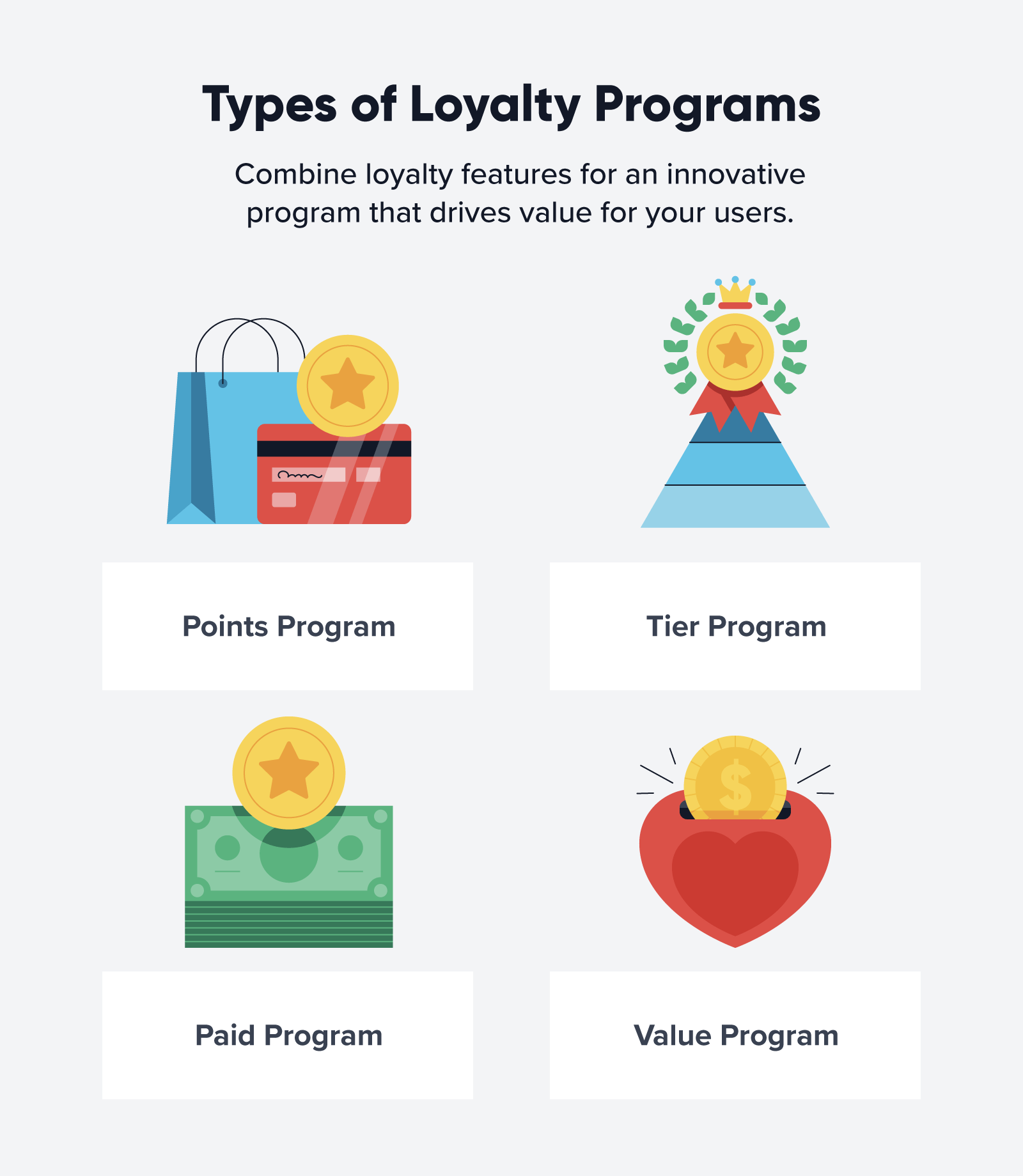
Moreover, the mechanics of loyalty points can be quite sophisticated. Many businesses employ tiered systems where customers earn more points as they reach higher levels of loyalty. For instance, a customer might start as a Silver member, earning one point per dollar spent, but upon reaching a certain threshold, they become a Gold member, earning two points per dollar. This not only encourages spending but also instills a desire to engage more deeply with the brand. As brands continually optimize their loyalty programs based on consumer behavior, they create personalized experiences that resonate with customers, making them feel valued and appreciated. Ultimately, this combination of rewards and recognition keeps customers coming back for more.