Mastering Movement: How to Use Strafe Techniques to Outsmart Your Opponents
In the fast-paced world of competitive gaming, strafe techniques have emerged as a crucial strategy for outmaneuvering opponents. By mastering the art of strafing, players can enhance their agility and unpredictability, making it significantly harder for enemies to land direct hits. To effectively implement strafe movements, players should focus on the following techniques:
- Diagonal Strafing: This involves moving at a 45-degree angle to create difficult angles for opponents to target.
- Jitter Strafing: A rapid, jittery movement can confuse adversaries, making it challenging for them to follow your actions.
Moreover, consistent practice of these strafe techniques can lead to exponential improvements in one’s gameplay. A strategic approach involves incorporating these movements into your overall gaming mechanics, such as timing your shots while strafing to maximize hits. Additionally, watching professional gamers employ similar tactics can provide invaluable insights. By observing their footwork and movement patterns, aspiring players can learn how fluid strafe techniques can completely change the outcome of a match. Embracing these sophisticated maneuvers not only boosts your individual performance but also underscores a deeper tactical understanding, allowing you to outsmart your opponents effectively.
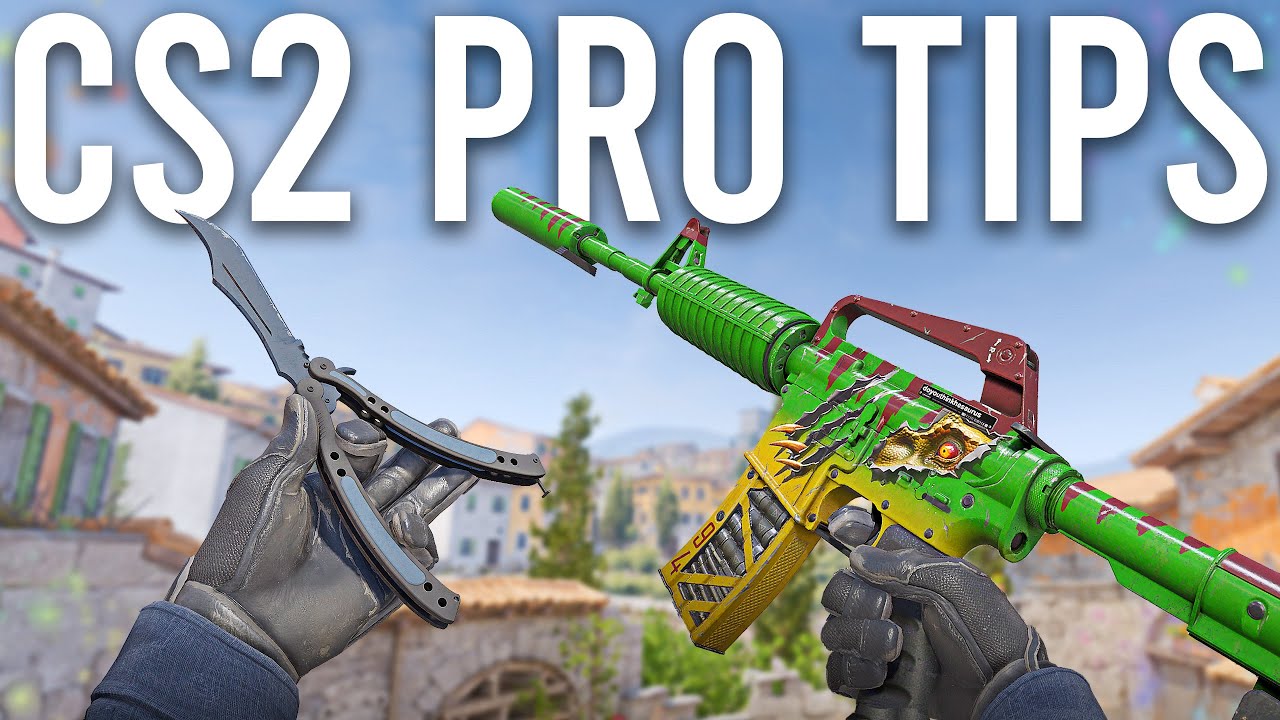
Counter-Strike is a popular tactical first-person shooter franchise that has captivated gamers worldwide. The latest installment, CS2, introduces new gameplay mechanics and enhanced graphics, taking the series to new heights. For players looking to optimize their gear, the CS2-Gehäuseöffnung feature allows for exciting new customization options.
Top 5 Sneaky Hiding Spots in CS2: Where to Surprise Your Enemies
In the fast-paced world of CS2, knowing the right hiding spots can make all the difference between victory and defeat. Here are the Top 5 Sneaky Hiding Spots in CS2 where you can surprise your enemies and turn the tide of battle:
- Dust II - Tunnel B: Nestled in the dark corners of Tunnel B, players can lie in wait just out of sight. The low light and narrow space make it the perfect spot for ambushing unsuspecting opponents as they make their way from Mid.
- Inferno - Boiler Room: The boiler room on Inferno offers a great vantage point. By crouching behind the boiler, you can catch attackers off guard as they push toward A site.
- Mirage - Jungle: This versatile area allows you to blend into the surroundings. From this position, you can quickly pick off enemies approaching from both A and B.
- Overpass - Fountain: Use the natural cover of the fountain to remain hidden while providing support to your teammates. This sneaky spot can often lead to surprising flank kills.
- Nuke - Secret: The transition between upper and lower bomb sites offers great opportunities for ambushes when positioned strategically behind crates.
Understanding Game Mechanics: How Map Knowledge Can Give You the Upper Hand
Understanding game mechanics is essential for any player looking to excel in competitive environments. One crucial aspect of mastering these mechanics is map knowledge. Having a thorough understanding of the game map allows players to anticipate enemy movements, identify advantageous positions, and make informed game decisions. For example, in first-person shooters, players can use their knowledge of the map layout to find the best sniper spots or to plan effective ambushes. Furthermore, familiarity with resource locations and choke points can contribute significantly to a player's overall strategy and effectiveness in the game.
Map knowledge not only enhances individual performance, but it can also strengthen team dynamics. When players communicate effectively about map control and enemy positions, the entire team benefits from a cohesive strategy. Utilizing features such as callouts—specific terms used to describe locations on the map—can facilitate better coordination during gameplay. Players should also actively engage in practice scenarios to hone their understanding of map layouts, which can significantly improve their reaction times and gameplay instincts. Ultimately, having a well-rounded grasp of game mechanics and map knowledge can be the difference between victory and defeat.