The Evolution of Charging Stations: What's Next for EV Infrastructure?
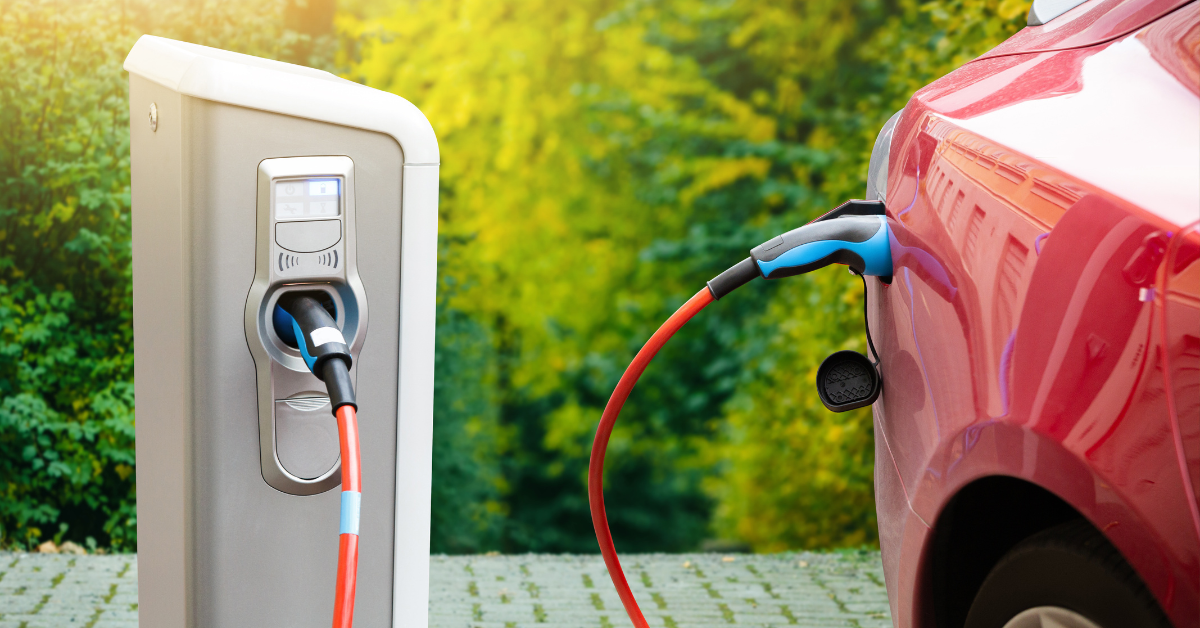
The evolution of charging stations for electric vehicles (EV) has been remarkable over the past decade. Initially limited to simple home setups and a few public stations, the infrastructure has expanded significantly with advancements in technology and growing consumer demand. Driven by a push for sustainability and increasing government regulations on emissions, we are witnessing a transformation in how we think about EV infrastructure. With the rise of fast-charging solutions, wireless charging technologies, and the integration of renewable energy sources, the landscape of charging stations is evolving rapidly, making electric vehicle ownership more convenient and accessible than ever.
Looking ahead, the future of EV infrastructure is poised for even greater innovation. Cities are increasingly adopting smart grids that can manage energy distribution efficiently, while companies are investing heavily in expanding the network of charging stations. As we see the introduction of ultra-fast charging stations capable of delivering significant range in mere minutes, we can anticipate a shift towards more widespread usage of electric vehicles. Furthermore, the development of charging stations that are integrated into urban planning—such as those in parking lots, shopping centers, and even along highways—will play a crucial role in shaping the EV landscape. Ultimately, the evolution of charging stations will not only help to lower barriers to EV adoption but also pave the way for a cleaner, more sustainable transport future.
If you're looking to keep your bedside clutter-free while having your devices charged and ready, consider the Top 10 Nightstands with Charging Stations. These functional yet stylish nightstands often come equipped with multiple USB ports and outlets, making it easy to charge your smartphone, tablet, or other devices. With various designs and finishes, you can find the perfect nightstand to complement your bedroom décor while enjoying modern convenience.
How Fast Charging Technology is Changing the Game for Electric Vehicles
The advent of fast charging technology has revolutionized the electric vehicle (EV) landscape, making them a more viable option for everyday consumers. Previously, long charging times were a significant barrier to widespread adoption, but advancements in fast charging solutions are addressing this issue head-on. With the capability to recharge an EV battery to 80% in as little as 30 minutes, drivers can now enjoy unprecedented convenience akin to refueling a traditional gas-powered vehicle. This transformation not only enhances the driving experience but also brings EVs closer to the mainstream market.
Moreover, the expansion of fast charging infrastructure is critical to facilitating the growth of electric vehicles. In urban areas and along highways, networks of fast chargers are emerging, providing greater accessibility and promoting longer trips. As more automakers invest in enhancing their EV capabilities, consumers are assured of a reliable charging network that further diminishes range anxiety. Ultimately, the impact of fast charging technology extends beyond individual convenience, driving the broader transition to sustainable transportation and reducing dependence on fossil fuels.
Top 5 Innovations in Charging Stations You Need to Know About
The evolution of electric vehicle (EV) charging stations has been swift, driven by emerging technologies and the growing demand for sustainable transportation solutions. Here are the top 5 innovations in charging stations that every eco-conscious driver should know about:
- Fast Charging Technology: Recent advancements in fast charging have significantly reduced charging times, allowing EVs to reach 80% battery capacity in as little as 15 minutes. This minimizes downtime for drivers and makes electric vehicle ownership more convenient.
- Wireless Charging: Imagine charging your EV without the hassle of plugging it in! Wireless (inductive) charging stations allow drivers to simply park their vehicles over a charging pad, where energy is transferred without cables, enhancing user experience.
- Smart Charging Solutions: These charging stations are equipped with IoT technology, enabling users to monitor charging status and control charging sessions via mobile applications. Smart charging optimizes power distribution and often integrates renewable energy sources.
- Ultra-Fast DC Chargers: Ultra-fast DC chargers are transforming the landscape of EV charging stations by providing power levels up to 350 kW. This means drivers can recharge their vehicles in record time, similar to refueling a gas-powered car.
- Solar-Powered Charging Stations: Incorporating solar panels into charging infrastructure offers a sustainable and renewable source of energy, which reduces the carbon footprint and promotes greener energy solutions for EV drivers.