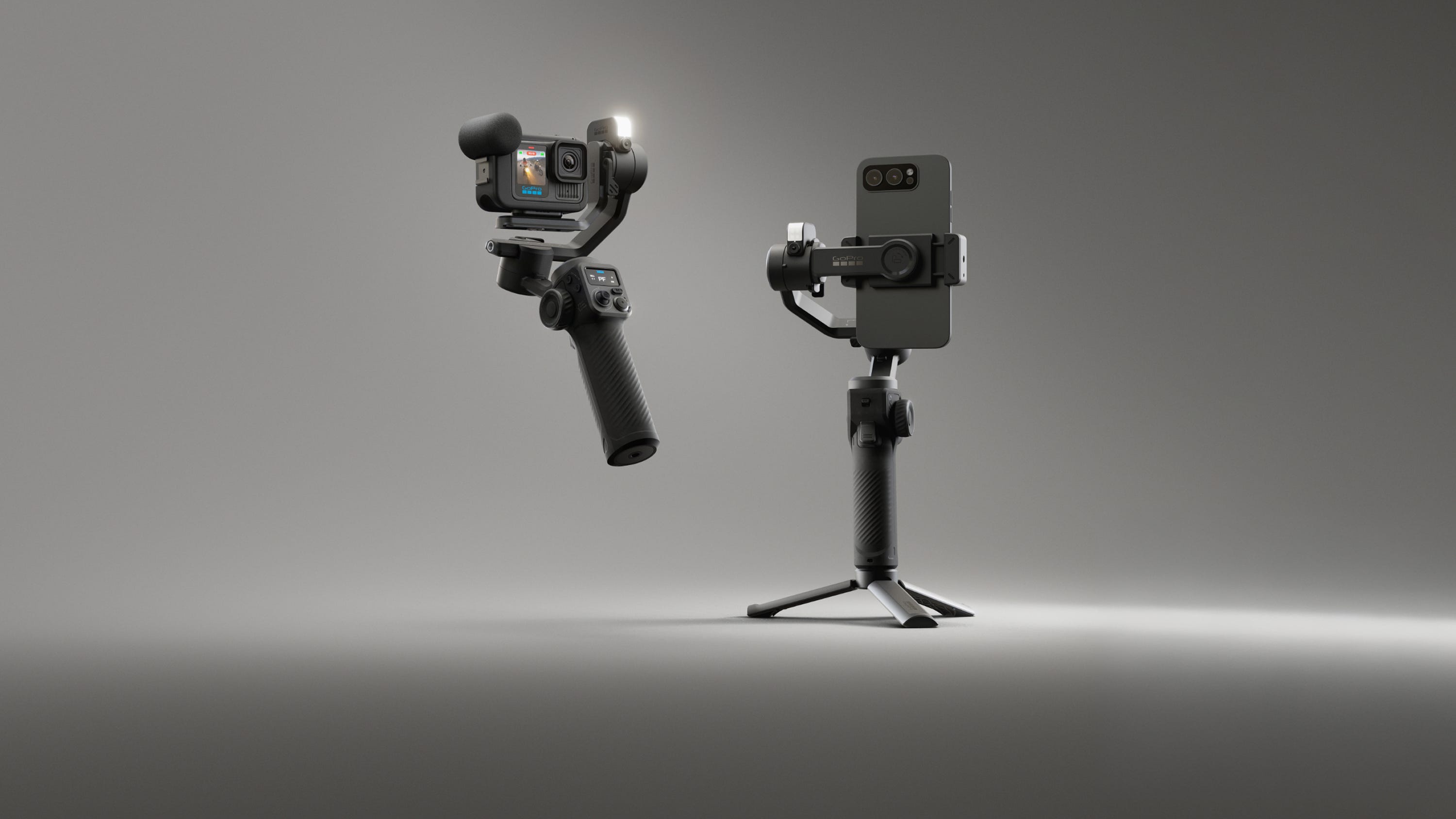
Mastering Gimbal Techniques: Tips to Elevate Your Videography
Mastering gimbal techniques is essential for any videographer looking to achieve smooth and professional-looking footage. A gimbal stabilizes your camera, allowing you to create dynamic shots without the typical shake associated with handheld recording. To get started, familiarize yourself with the three axes of motion: yaw, pitch, and roll. This understanding is crucial as it enables you to adjust your gimbal settings effectively. In addition, practicing basic movements such as tilting, panning, and tracking shots will help you develop a fluent control over your equipment, ultimately elevating your videography skills.
Another key aspect of mastering gimbal techniques is learning to incorporate transitions into your shots. For instance, use fast movements to create exciting action sequences, or slow and smooth transitions for dramatic storytelling. Remember to pay attention to the environment; obstacles can easily disrupt the stability of your shots. Utilize proper framing and composition to engage your audience more effectively. Finally, don’t forget to experiment with different speeds and angles, as this will add depth and interest to your videos. By honing these skills and techniques, you can take your videography to the next level.
Counter-Strike is a popular tactical first-person shooter that has captivated gamers since its initial release in 1999. The game pits two teams, Terrorists and Counter-Terrorists, against each other in various objective-based scenarios. Players often seek to enhance their gaming experience, and for those using mobile devices, finding the right gear is essential. Check out the Top 10 iPhone gimbals to elevate your gameplay and ensure steady shots during intense matches.
5 Common Gimbal Mistakes and How to Avoid Them for Stunning Footage
When capturing stunning footage with a gimbal, however, mistakes can often lead to less than optimal results. Here are 5 common gimbal mistakes that many videographers make:
- Incorrect Balancing: Always start with properly balancing your camera on the gimbal. If your setup is off, it can lead to shaky footage. Make it a habit to double-check your balance before every shoot.
- Ignoring Gimbal Settings: Each gimbal comes with settings that can drastically improve your footage quality. Ignoring these can result in limited performance. Familiarize yourself with the settings and adjust them according to your shooting conditions.
In addition to the first two common mistakes, here are three more to watch out for:
- Poor Handheld Technique: Using the gimbal incorrectly can negate its stabilization benefit. Keep your hands steady and use fluid movements to capture smooth footage.
- Not Using the Right Modes: Gimbals often have multiple operational modes suited for different scenarios. Not switching modes according to your shooting style can lead to jerky footage.
- Inadequate Battery Management: Always check your battery levels before heading out. An unexpected shutdown can ruin your shoot. Carry extra batteries to ensure that you're never caught off guard.
How Does Stabilization Work? Understanding Gimbals for Better Video
Understanding how stabilization works is crucial for achieving smooth and professional-looking video. Gimbals are devices specifically designed to counteract unwanted motions by using motors and sensors to keep your camera steady. Essentially, they function as a pivot point that allows the camera to remain balanced even when the operator is moving. This technology is especially beneficial for filmmakers and content creators who want to capture dynamic shots without the jarring effects of camera shake. By utilizing a gimbal, users can ensure their footage maintains a level of fluidity that enhances the overall viewing experience.
At the heart of gimbal stabilization is a series of gyroscopes and accelerometers that constantly analyze the orientation and movement of the camera. When the sensors detect any tilting or shaking, the gimbal's motors automatically adjust to correct the position, creating a seamless stabilization effect. This technology can be broken down into three main axes of control:
- Pan - rotation around the vertical axis,
- Tilt - tilting up and down, and
- Roll - stabilization of side-to-side tilt.