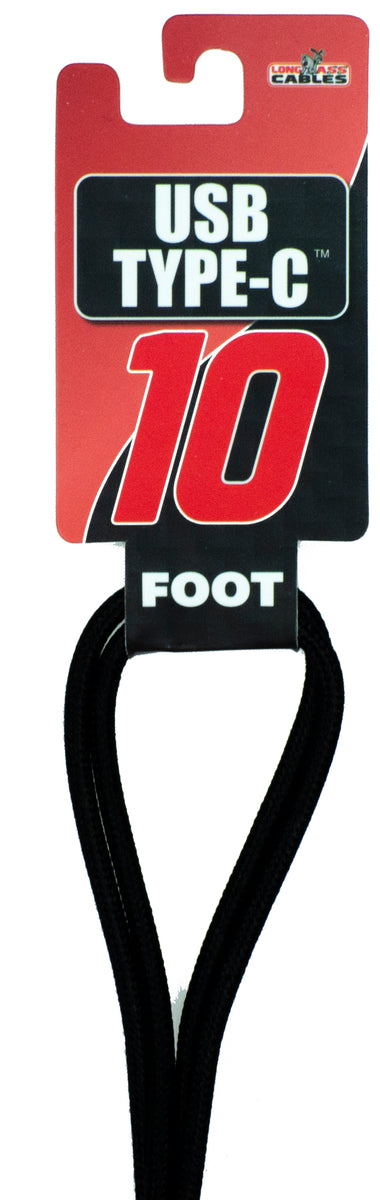
Exploring the Benefits of Long Cables: Why Longer is Better
When it comes to connecting devices, the length of your cables can significantly impact your overall experience. Long cables offer far more flexibility in terms of placement and usability. For instance, if you're setting up a home entertainment system, having longer audio or HDMI cables allows you to position your devices in a way that enhances both aesthetics and functionality. Instead of being tethered to a specific spot, you can freely arrange gadgets for better accessibility without compromising on performance. Plus, this added length can help declutter spaces, keeping your environment neat and organized.
Moreover, longer cables often lead to improved convenience in various scenarios. For example, when you're at a conference and need to connect your laptop to a projector, a longer cable means you won’t be restricted to the front of the room. This not only makes presentations smoother but also enables you to engage more effectively with your audience. Additionally, longer cables can be beneficial for charging devices, allowing you to use your gadgets comfortably on sofas, beds, or at a distance from power sources without being tethered too close to the wall outlet.
Counter-Strike is a popular first-person shooter game that has become a staple in competitive gaming. Players are divided into teams, typically terrorists and counter-terrorists, each with unique goals and objectives. The game features various maps and modes, with an emphasis on strategy, teamwork, and skill. For those who want to enhance their gaming experience, it’s also important to have reliable accessories, including Top 10 Long Charging Cables that can keep your devices powered during intense gaming sessions.
How to Choose the Right Long Cable for Your Needs
Choosing the right long cable for your needs is crucial for optimal performance and convenience. First, assess the length you require. Consider the distance between your devices and the available power source. Measure the space to ensure that your chosen cable is long enough without being excessively long, which can lead to tangling or clutter. Additionally, think about the type of devices you'll be connecting. For instance, if you need a long HDMI cable for streaming, ensure it supports the necessary resolution and features.
Next, pay attention to the cable type and its specifications. Different cables serve different purposes; for example, an HDMI cable is ideal for video, while a USB cable is suitable for data transfer and charging. Check for durability, as cables with reinforced connectors or those designed for heavy-duty use will last longer and withstand wear and tear. Lastly, don't forget to read customer reviews and product ratings to gauge the reliability of the cable before making your purchase.
What Are the Risks of Using Long Cables and How to Mitigate Them?
Using long cables can introduce several risks that may impact both performance and safety. One of the primary concerns is signal degradation, which occurs when data loss happens over extended distances. This can lead to poor connectivity and unreliable performance for devices reliant on such cables. Additionally, long cables can be more susceptible to electromagnetic interference (EMI) and physical damage, compromising the integrity of your connections.
To mitigate these risks, consider using shielded cables designed to resist EMI, ensuring signal strength remains consistent. Additionally, you should use appropriate cable lengths that match your specific application needs, keeping them as short as possible without sacrificing functionality. For instance, using repeaters or extenders can help maintain signal quality over longer distances. Regularly inspect your cables for damage and maintain proper cable management to decrease the likelihood of interference and ensure optimal performance.