5 Simple Steps to Free Up Mac Storage Space
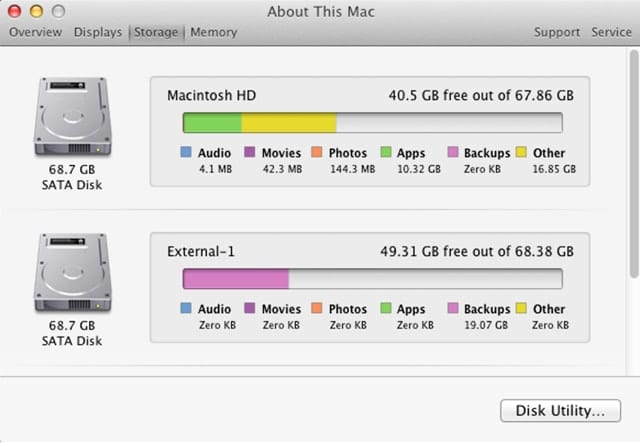
Running out of storage space on your Mac can be frustrating, but freeing up space doesn’t have to be a complicated process. Here are 5 simple steps to help you reclaim valuable space on your device. First, check what’s taking up space by navigating to the Apple Menu > About This Mac > Storage. This will give you a visual representation of your storage usage, helping you identify which types of files are consuming the most space.
Once you've determined what's hogging your storage, you can start cleaning up. Begin by emptying your Trash as overlooked files can accumulate over time. Next, consider moving large files like videos or photos to an external hard drive or cloud storage. Thirdly, delete any unused applications by going to the Applications folder and dragging the unneeded apps to Trash. Lastly, clear out downloads and old documents you no longer need. By following these 5 simple steps, you can effortlessly boost your Mac's storage capacity.
Counter-Strike is a popular tactical first-person shooter game that has evolved over the years, captivating millions of players around the world. Players often engage in intense team-based matches, where strategy and communication are key to success. For gamers looking to enhance their performance with faster load times, consider checking out the Top 10 external ssds for mac to optimize their gaming setup.
How to Identify and Remove Large Files on Your Mac
Identifying and removing large files on your Mac can significantly improve its performance and free up valuable disk space. To start, you can use the built-in Storage Management tool. To access this, click on the Apple icon in the top left corner, then select ‘About This Mac’ followed by the ‘Storage’ tab. Here, you will find an overview of your storage usage. Selecting ‘Manage’ will take you to a section where you can view large files, downloads, and other items taking up space. Occasionally, these files can be several gigabytes, so it’s important to regularly check this area to keep your storage optimized.
Once you’ve identified these large files, removing them can be done easily. You may encounter files that you no longer need, such as old video projects or downloads. To remove these files, simply click on them, and then select the ‘Delete’ option. Alternatively, you might want to use third-party tools like DaisyDisk or CleanMyMac for a more detailed analysis and to facilitate the deletion process. These tools scan your Mac and display large files visually, making it easier to decide which ones to remove. Remember to empty your Trash after deleting these files to truly reclaim the space!
Is Your Mac Running Slow? Discover How to Optimize Storage Efficiency
If you've noticed your Mac running slow, it may be time to assess how you manage your storage. A cluttered hard drive can significantly impact your Mac's performance. To get started, check your storage usage by navigating to About This Mac and selecting the Storage tab. Here, you can see how much space is available and which categories are taking up the most room. Consider removing files you no longer need or transferring large items to an external drive. Additionally, regularly emptying your Trash can help recover precious space that your Mac desperately needs.
Another effective way to enhance your Mac's performance is to optimize your storage settings. Go to System Preferences and click on Apple ID, then select iCloud. Enabling Optimize Mac Storage allows your Mac to store files in the cloud when space is low, ensuring you have quick access to important documents without the clutter. Furthermore, you can use tools like Disk Utility to manage and repair your disk. Don't forget to periodically review your startup items and disable any unnecessary applications that launch at startup; this can greatly boost your Mac's boot time and overall responsiveness.