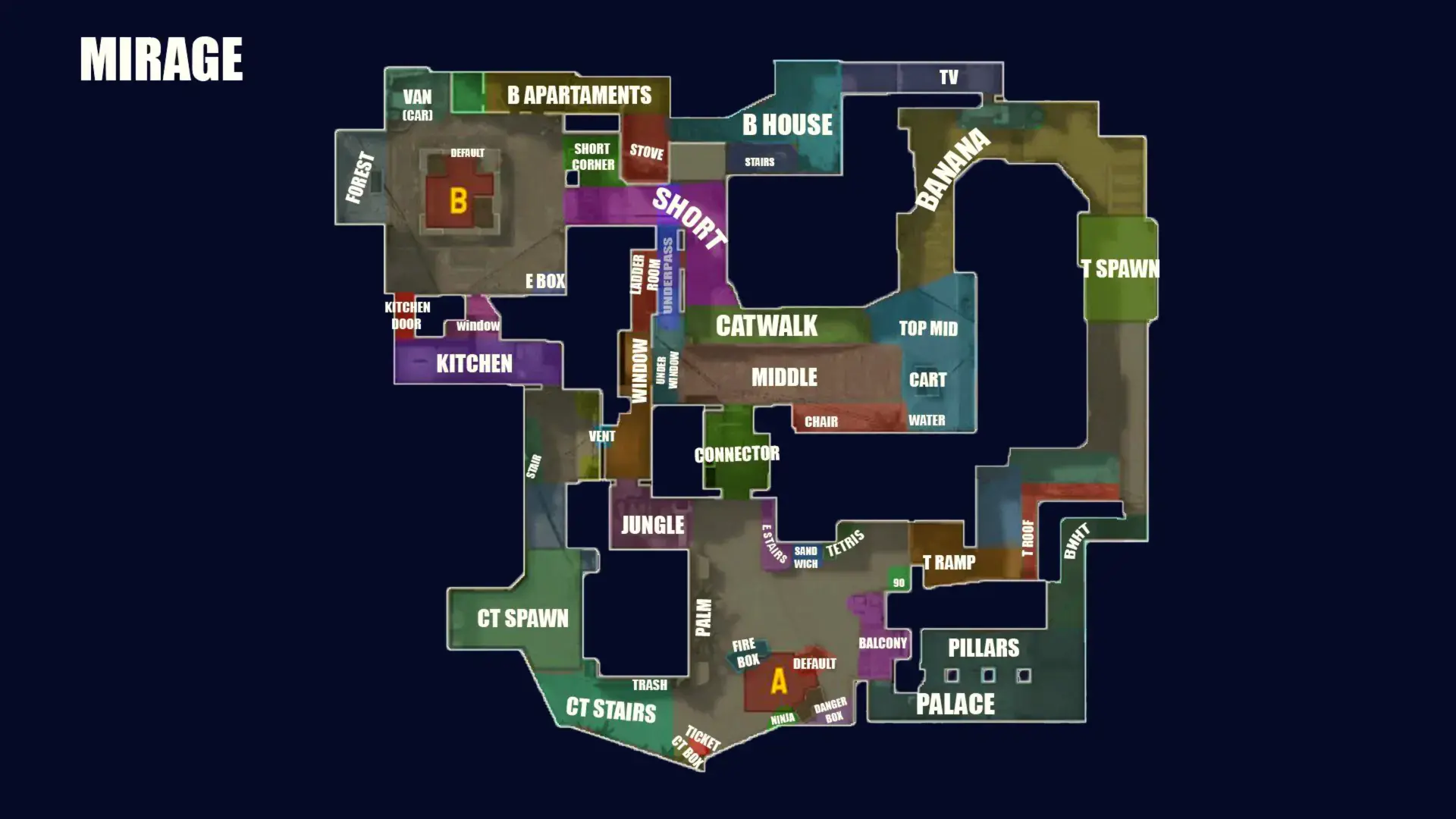
Mastering CS2 Map Control: Essential Strategies for Dominating Your Turf
Mastering CS2 map control is crucial for gaining the upper hand in any match. To effectively dominate your turf, players should focus on strategic positioning and communication with teammates. Implementing a combination of aggressive tactics and defensive play can turn the tide in your favor. Here are some essential strategies to consider:
- Map Awareness: Keep an eye on minimap indicators and communicate enemy positions to your team.
- Control Key Areas: Prioritize control of choke points and objectives to limit enemy movement.
- Utilize Utility: Smoke grenades and flashbangs can help disrupt enemy plans and secure map dominance.
In addition to the above strategies, players should continually adapt their tactics based on the enemy's gameplay style. Reading the game is essential; anticipate enemy movements and adjust your position accordingly. For instance, if the opposing team frequently pushes a specific site, consider setting up ambushes or rotating quickly to reinforce it. Remember that teamwork is key: coordinate with your squad to execute quick flanks or hold strategic angles together. By mastering map control in CS2, you can significantly improve your chances of victory.
Counter-Strike is a popular tactical first-person shooter game that emphasizes teamwork and strategy. One of the versatile weapons players can use is the aug, known for its accuracy and effectiveness in various situations. Players must adapt their strategies based on the maps and the opposing team's tactics to succeed in this competitive environment.
The Importance of Map Awareness in CS2: Tips for Effective Control
Map awareness in CS2 is an essential skill that can significantly impact your overall gameplay. Understanding the layout of each map, including choke points, bomb sites, and common hiding spots, allows players to anticipate enemy movements and make informed strategic decisions. Furthermore, being aware of your teammates' positions and coordinating with them effectively can lead to greater control over key areas of the map, increasing your team's chances of victory. Players who cultivate strong map awareness are not only able to react quickly to threats but also create opportunities by exploiting the map’s various features.
To enhance your map awareness, consider implementing the following tips:
- Practice regularly: Spend time playing different maps to familiarize yourself with their unique aspects.
- Use the minimap: Always keep an eye on your minimap to track both teammates and enemies, and to recognize trends in their movements.
- Communicate effectively: Share information with your team regarding enemy locations and map control to maintain strategic superiority.
By incorporating these techniques into your gameplay, you can develop a heightened sense of map awareness, ultimately leading to improved performance and team dynamics in CS2.
How to Adapt Your Strategy Based on CS2 Map Layout: A Tactical Guide
Understanding how to adapt your strategy based on CS2 map layout is crucial for achieving success in matches. Each map presents unique challenges and opportunities, so you must analyze the layout carefully. Begin by identifying key areas of the map, such as choke points, sniper locations, and bomb sites. Create a mental or physical map that highlights these critical zones, and then formulate your game plan accordingly. For instance, if you’re playing on a map with narrow corridors, consider utilizing smokes and flashes to blind your opponents and make optimal use of cover.
As the game progresses, be ready to adapt your strategy based on the enemy’s movements and positioning. Keeping track of their tactics will allow you to predict and counter their plays effectively. Utilize an adaptive approach when choosing routes—whether to flank or push aggressively—depending on the CS2 map layout and the current phase of the match. Regularly communicate with your teammates about enemy positions and adjust your strategies collectively. Remember, successful teams are those that adjust their tactics dynamically to the unfolding situation on the battlefield.