Understanding Fair Play Blockchain Audits: Key Principles and Benefits
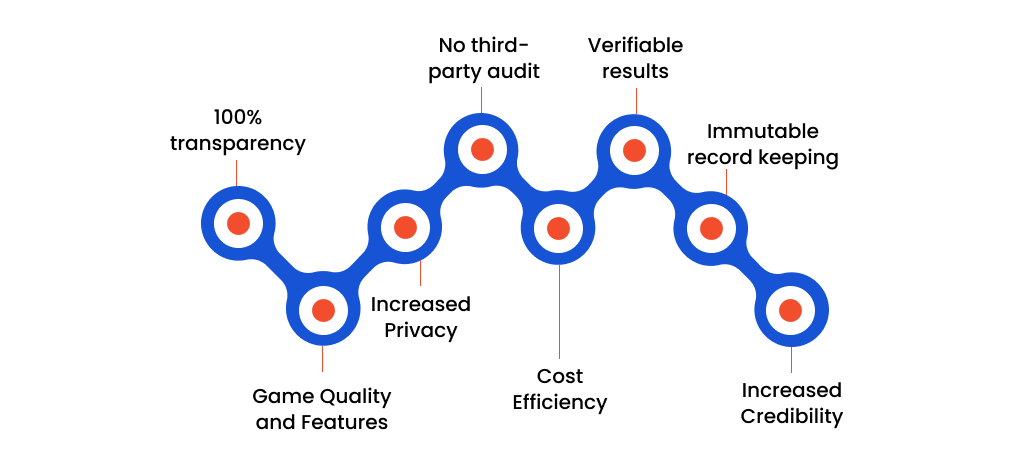
Understanding Fair Play Blockchain Audits is crucial for ensuring the integrity and security of decentralized applications. These audits involve a comprehensive evaluation of smart contracts and blockchain protocols to identify vulnerabilities and ensure compliance with industry standards. By focusing on key principles such as transparency, impartiality, and thoroughness, auditors can provide insights that foster trust among users and developers alike. A typical audit process encompasses various stages, including code review, tokenomics analysis, and performance testing, all aimed at bolstering the security of blockchain systems.
The benefits of investing in Fair Play Blockchain Audits extend beyond mere compliance. Firstly, these audits enhance the credibility of projects, thereby attracting more users and potential investors. Secondly, they help in identifying and mitigating risks before launch, which can save projects from financial losses and reputational damage. Lastly, regular audits can facilitate ongoing compliance with evolving regulations, making them an essential part of a project’s lifecycle. Ultimately, embracing the principles of fair play in blockchain auditing not only strengthens the network but also promotes a healthier ecosystem for innovation.
Counter-Strike is a popular first-person shooter game that pits teams against each other, with one side playing as terrorists and the other as counter-terrorists. Players can use various weapons and strategies to complete objectives or eliminate opponents. For those looking to enhance their gaming experience, using a stake promo code can provide exciting opportunities.
Are Blockchain Audits the New Standard for Fairness in Crypto?
The emergence of blockchain technology has revolutionized the financial sector, but with great power comes great responsibility. As the cryptocurrency market continues to expand, so does the necessity for transparency and accountability. Blockchain audits have become increasingly important in addressing these challenges, serving as a tool to ensure fair practices within the crypto ecosystem. By providing a thorough analysis of smart contracts and transaction histories, audits not only bolster investor confidence but also help identify any potential vulnerabilities that could be exploited. This heightened level of scrutiny is paving the way for a more trustworthy environment, where fairness can be maintained among all participants.
In the quest for legitimacy, many emerging platforms are now prioritizing blockchain audits to distinguish themselves from less scrupulous operations. A well-conducted audit can reveal critical insights into a platform's operational integrity and governance, making it a crucial element for stakeholders. As the industry shifts toward greater regulation, the adoption of audits may very well set a new standard for fairness in crypto, fostering a culture where ethical practices are not just encouraged but expected. Ultimately, this evolution could redefine the landscape of digital currencies, making it a safer space for investors and innovators alike.
What You Need to Know About Ensuring Fair Play in Blockchain Transactions
Ensuring fair play in blockchain transactions is crucial for maintaining trust and integrity within decentralized systems. Blockchain technology operates on a consensus mechanism which requires all users to agree on the state of transactions. This decentralized nature means that no single entity has the power to manipulate transactions, but it also opens the door to potential fraud if not managed properly. To mitigate these risks, users should employ practices such as thorough due diligence, ensuring that all smart contracts are audited and validated before implementation.
Moreover, implementing robust security measures, like multi-signature wallets and regular monitoring of transaction activities, is essential for safeguarding funds. It is also important to stay informed about the latest regulatory developments that may impact blockchain operations. Building a transparent communication channel within the blockchain community can enhance user confidence and promote fair play. Ultimately, fostering an environment of accountability among participants will help in achieving a reliable and trustworthy blockchain ecosystem.