Understanding Decentralized Platforms: Key Concepts and Benefits
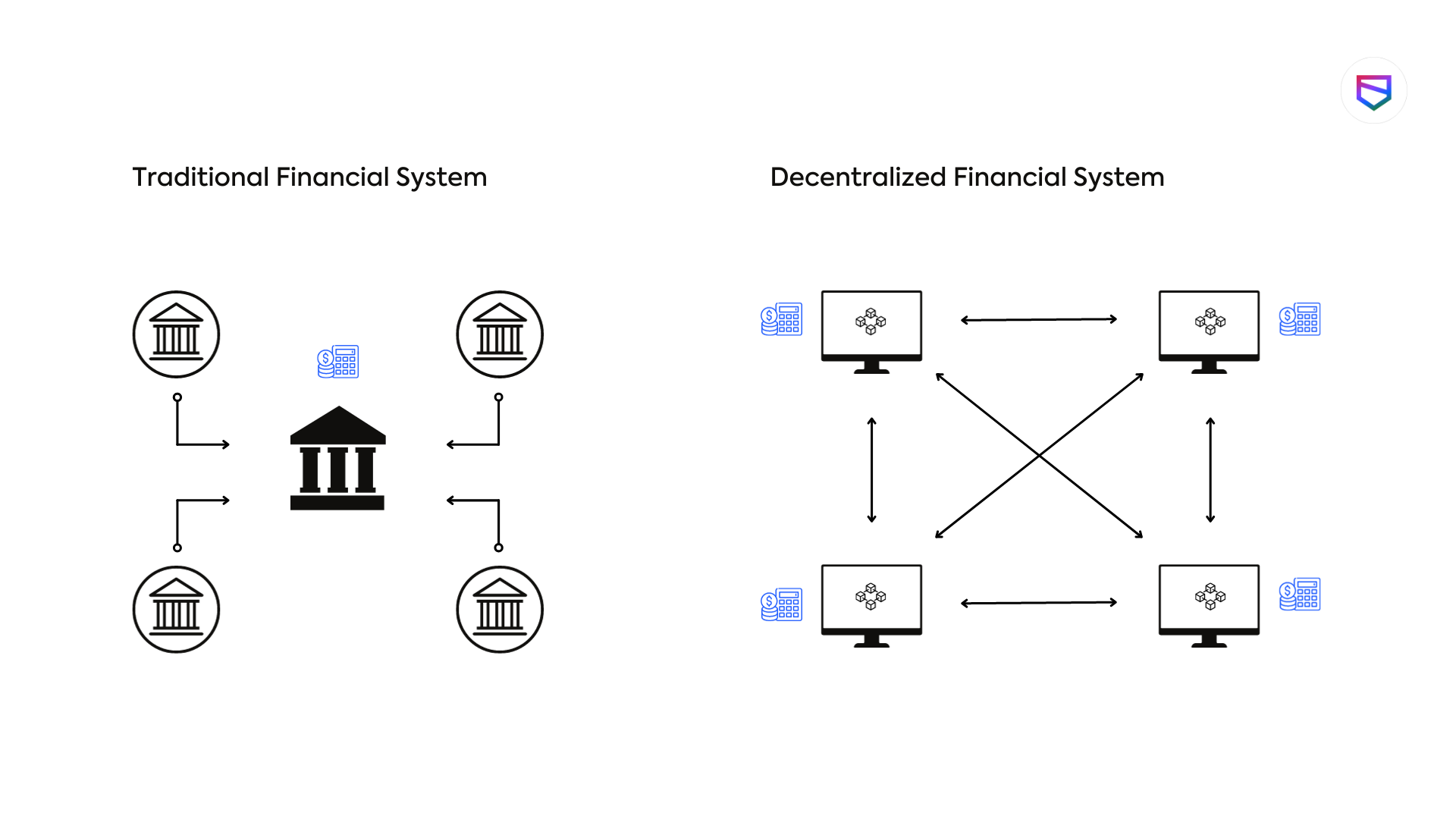
Decentralized platforms are revolutionizing the way we interact online by facilitating peer-to-peer connections without reliance on a central authority. At their core, these platforms operate on various technologies, including blockchain, which enables trustless transactions and enhances user privacy. Key concepts to understand include decentralization, which eliminates the risks associated with a single point of failure, and distributed ledger technology, which allows multiple users to maintain a shared database. By leveraging these concepts, decentralized platforms promote transparency, security, and resilience, making them ideal for a wide array of applications, from finance to social networks.
The benefits of engaging with decentralized platforms are numerous. First, they empower users by granting them more control over their data, reducing dependence on traditional intermediaries. Additionally, these platforms typically have lower operational costs and can offer services at a fraction of the price when compared to centralized alternatives. For example, in the realm of finance, decentralized finance (DeFi) applications allow individuals to borrow, lend, and trade assets without the need for banks. Overall, understanding these key concepts and recognizing the benefits can help users make informed decisions about their participation in the decentralized ecosystem.
Counter-Strike is a highly popular multiplayer first-person shooter game that has captivated players around the world. It features two teams, terrorists and counter-terrorists, competing in various game modes to achieve specific objectives. If you’re interested in gaming and looking for exciting promotions, consider checking out the cryptocasino.com promo code to enhance your gaming experience.
How Decentralization is Transforming Digital Security
Decentralization is revolutionizing the landscape of digital security by distributing control across a network rather than centralizing it in a single entity. This shift reduces the risk of data breaches and cyberattacks since there is no single point of failure that attackers can exploit. For instance, technologies like blockchain provide a secure and transparent way to store and share data without relying on a central authority. As a result, sensitive information is safeguarded through cryptographic methods, making it nearly impossible for unauthorized parties to gain access.
The impact of decentralization extends to various sectors, including finance, healthcare, and personal data management. By employing decentralized systems, organizations can enhance their security protocols and ensure that data integrity is maintained. With features such as smart contracts and distributed ledgers, users can verify transactions and interactions without needing a trusted intermediary. This transformation not only boosts security but also empowers users by giving them more control over their own data, fostering a sense of trust and transparency in the digital space.
What Are the Risks and Challenges of Navigating Decentralized Platforms?
Navigating decentralized platforms comes with its own set of risks and challenges that users must be aware of. One significant risk is the lack of regulatory oversight, which can lead to issues such as fraud and scams. With no central authority to enforce rules, users may find themselves vulnerable to malicious actors. Additionally, the complexity of blockchain technology can be a barrier for new users, leading to mistakes that can result in financial loss. For example, failing to grasp how to securely manage private keys can result in losing access to funds permanently.
Another challenge is the potential for network volatility. Decentralized platforms often rely on fluctuating cryptocurrencies, which can lead to unpredictable transaction costs and values. Users engaged in trading or investing on these platforms may experience rapid changes in asset prices that can dramatically impact their portfolios. Furthermore, the lack of user support services can make it difficult to resolve issues, as many decentralized platforms operate on a trustless model that discourages centralized customer service. This lack of support can leave users feeling isolated during challenging situations.