The Evolution of Electric Vehicles: How They're Changing the Commute Landscape
The evolution of electric vehicles (EVs) has dramatically reshaped the commute landscape over the past decade. Initially seen as a niche market, advancements in battery technology, charging infrastructure, and government incentives have propelled EVs into the mainstream. According to recent studies, the global EV market is anticipated to reach around 30% of total vehicle sales by 2030. This shift not only highlights consumer demand for sustainable transportation options but also reflects a growing awareness of the environmental impact of traditional combustion engines.
As electric vehicles continue to gain traction, their influence on commuting patterns is becoming increasingly evident. For instance, urban planners are adapting city infrastructures to accommodate the rise in EVs, integrating more charging stations in public spaces and redesigning traffic systems to prioritize these green alternatives. Furthermore, studies suggest that as more commuters transition to electric vehicles, there could be significant reductions in air pollution and noise levels, enhancing the overall quality of life in cities. Embracing this change is essential not only for enhancing daily commuting experiences but also for driving broader societal shifts towards sustainability.
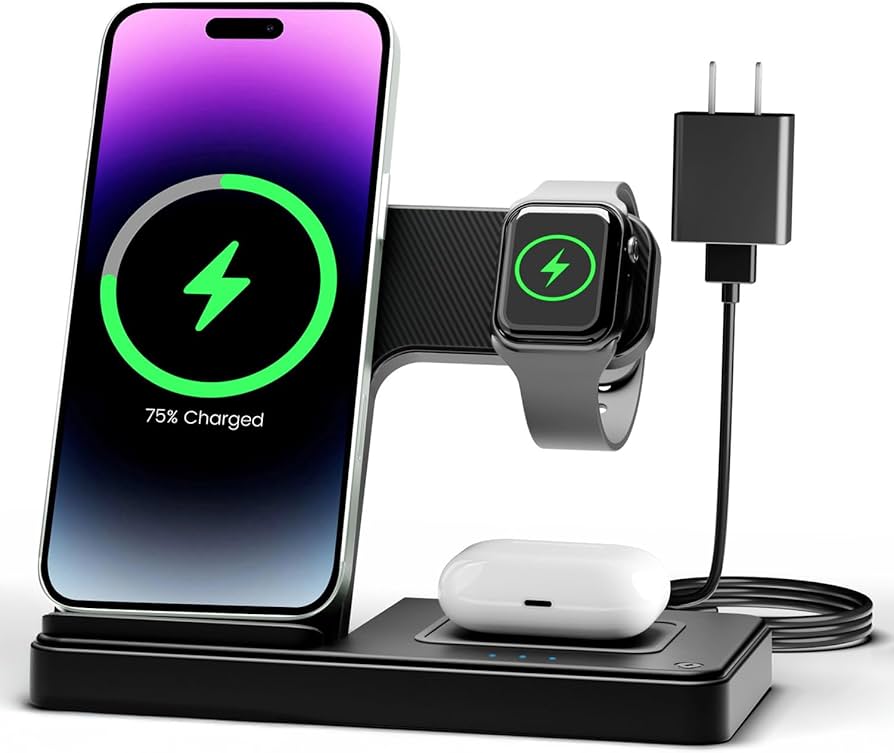
Counter-Strike is a highly popular first-person shooter that pits teams of terrorists against counter-terrorists in various objective-based game modes. Players engage in intense matches that require both strategic planning and quick reflexes. It's also essential to equip yourself with the right gear to enhance your gaming experience; for example, check out the Top 10 iphone accessories that can improve your mobile gaming setup.
Charging Infrastructure: What You Need to Know for Your Next Electric Vehicle
As electric vehicles (EVs) become increasingly popular, charging infrastructure plays a crucial role in supporting this transition to greener transportation. Understanding the different types of charging stations available is essential for any EV owner. Typically, there are three main levels of charging: Level 1, Level 2, and DC Fast Charging. Level 1 charging uses a standard household outlet and is suitable for overnight charging at home. Level 2 charging is faster and often found at public charging stations, allowing drivers to charge their vehicles within a few hours. Lastly, DC Fast Charging provides rapid charging solutions, ideal for long trips where time is of the essence.
When planning for your next electric vehicle, consider charging infrastructure based on your specific driving needs. For instance, if you primarily drive short distances, a Level 1 charger at home may suffice. However, if you frequently travel long distances or rely on public charging stations, investing in a vehicle compatible with DC Fast Charging can significantly enhance your travel experience. Additionally, familiarize yourself with charging networks and apps that can help you locate charging stations, check their availability, and plan your routes efficiently, ensuring that your EV journey is as smooth as possible.
Is an Electric Vehicle Right for Your Daily Commute? Key Factors to Consider
As the popularity of electric vehicles (EVs) continues to rise, many commuters are asking themselves, is an electric vehicle right for your daily commute? To help you determine if an EV suits your lifestyle, consider factors such as your daily driving distance, charging infrastructure, and overall cost of ownership. With an increasing number of models available, it's essential to select a vehicle that aligns with your daily needs and long-term goals.
One significant aspect to consider is the range of the electric vehicle. Most EVs can cover the average commuter distance without issue, but understanding how far you travel each day will help you make an informed decision. Additionally, check the availability of charging stations in your area or at your workplace, as this can significantly affect your charging routine. Moreover, evaluate your overall budget, including potential savings on fuel and maintenance, as these can contribute to making an electric vehicle a financially sound choice for your daily commute.