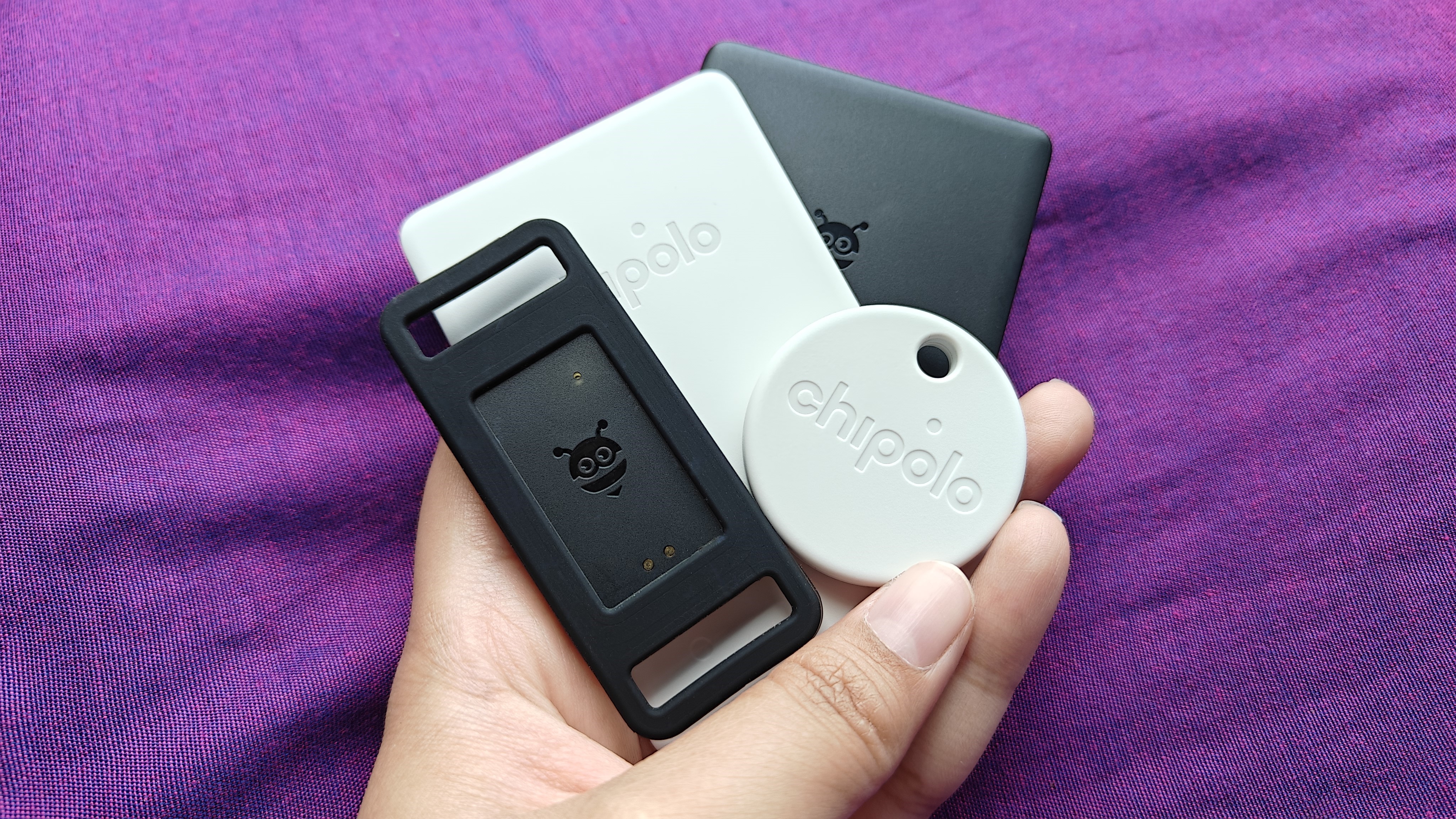
How Do Devices Track Your Every Move? Unveiling the Technology Behind Device Tracking
In today's digital age, device tracking has become increasingly prevalent, with smartphones, wearables, and even smart home devices collecting vast amounts of data about our daily activities. The technology behind this tracking involves a combination of GPS, Wi-Fi signals, and Bluetooth connectivity. These systems work together to monitor your location and movements in real-time. For instance, GPS technology can pinpoint your exact location, while Wi-Fi and Bluetooth enable devices to triangulate your position by detecting nearby networks and devices. This synergy allows companies to provide personalized services, targeted advertisements, and improved user experiences.
Moreover, the implementation of cookies and tracking pixels on websites plays a critical role in how devices track your online behavior. When you visit a website, these tools collect information about your preferences and interactions, enabling platforms to create detailed user profiles. This data can be shared with third-party advertisers, leading to a seamless yet pervasive tracking experience that follows you across multiple devices. Although many users appreciate the benefits of personalized content, it raises important questions about privacy and data security. Understanding how device tracking works empowers users to make informed decisions about their digital footprints.
Counter-Strike is a popular team-based first-person shooter that originated as a mod for Half-Life. Released as a standalone game in 1999, it quickly gained a massive following and became a staple in the esports scene. Players can choose from various game modes, with the most common being bomb defusal and hostage rescue, fostering intense competition and strategic gameplay. For those interested in tech gadgets, you might want to check out the Top 10 Alternatives to Bluetooth Trackers, which highlights the latest innovations in tracking technology.
Is Your Smartphone Spying on You? Understanding the Mechanics of Device Surveillance
In today's hyper-connected world, the concern of whether smartphones are spying on us is more relevant than ever. With the rise of advanced technology and data collection practices, our devices often track our every move, action, and interaction. From geolocation services that share your whereabouts to apps that request access to your camera and microphone, it's crucial to understand the mechanics behind this surveillance. Key features that facilitate this include background data collection, which allows apps to send personal information to servers even when they're not in use, and advertising identifiers, which create tailored advertising experiences at the expense of our privacy.
Moreover, many smartphone users may not realize that the permissions granted to apps can lead to inadvertent surveillance. For instance, when you install an app, it's common to be prompted to allow access to your contacts, location, or media files, often without fully understanding the implications. To protect your privacy, it’s vital to periodically review app permissions and be cautious about the information shared. You should also consider using privacy-focused tools and settings, such as disabling location services or utilizing VPNs, to safeguard against unauthorized tracking. In essence, being informed is the first step in regaining control over your digital footprint.
Top 5 Ways to Protect Your Privacy from Device Tracking Technologies
In an increasingly digital world, protecting your privacy from device tracking technologies has become essential. With the rise of smart devices and continuous internet connectivity, our personal information is more vulnerable than ever. Here are the Top 5 Ways to safeguard your privacy:
- Adjust Privacy Settings: Most devices allow users to customize privacy settings. Take the time to review and modify these settings to limit data collection.
- Use a VPN: A Virtual Private Network (VPN) encrypts your internet connection, making it harder for trackers to monitor your online activities.
- Install Privacy-Focused Apps: Opt for applications that prioritize user privacy, such as browsers that block trackers and search engines that don't store your data.
- Disable Location Services: Turn off location tracking features on your devices when they are not in use to prevent apps from accessing your precise location.
- Regularly Clear Cookies: Clearing cookies and browsing data helps to reduce the amount of information collected about your online behavior.